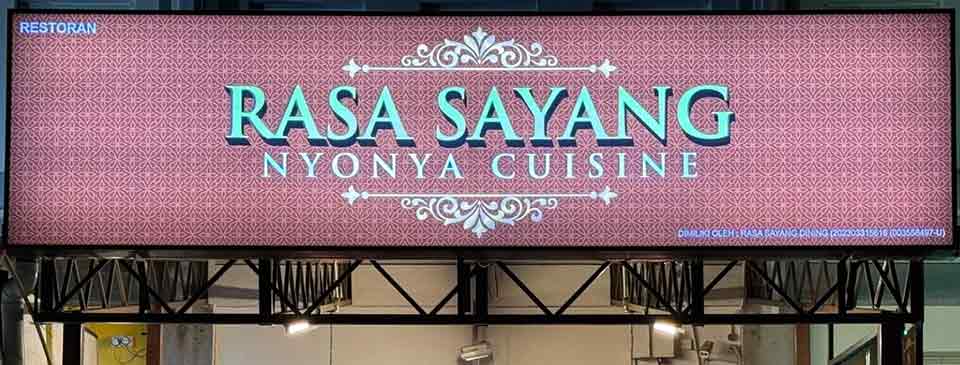
Rasa Sayang Nyonya Cuisine, Penang — Where Memory, Spice, and Heritage Collide
There are places in Penang where you eat, and then there are places where you remember. Rasa Sayang Nyonya Cuisine falls squarely into the latter category—a restaurant that doesn’t just serve food, but quietly tells stories through sambal, turmeric, and time.
The Environment: A Heritage Pause in a Chaotic City
George Town is never really quiet. Even on a sleepy weekday afternoon, there’s always the hum of scooters, the distant clang of wok against steel, the chatter of tourists trying to pronounce “char kway teow.” But step into Rasa Sayang, and the tempo shifts.
This is not your overly curated Peranakan restaurant with staged antiques and forced nostalgia. Instead, the space feels lived-in. Think tiled floors slightly worn from decades of footsteps, wooden furniture that creaks in a comforting way, and walls dressed with just enough heritage touches to remind you that this cuisine has roots deeper than Instagram.
There’s usually a ceiling fan lazily pushing warm air around, and if you sit near the entrance, you’ll catch the scent of lemongrass and belacan wafting in waves from the kitchen. It’s not air-conditioned perfection—it’s Penang realness.
The vibe? Unpretentious, slightly chaotic during peak hours, and deeply comforting. You’ll see everything from local families ordering like they’ve been coming here for years, to curious tourists clutching guidebooks and hoping they ordered the “right” thing.
What Are the Must-Orders?
If you walk in without a plan, you’ll get overwhelmed. Nyonya cuisine is not beginner-friendly—it’s layered, nuanced, and unapologetically bold. But that’s also where the magic lies.
1. Assam Laksa (The Soul Bowl)
Let’s start with the heavyweight.
The assam laksa here doesn’t shout—it seduces. The broth is a deep, murky brown, thick with mackerel, tamarind, and torch ginger. Before you even take a sip, the aroma hits: sour, fishy, floral, spicy—all at once.
The first mouthful? A punch of tamarind acidity followed by the richness of flaked fish, then a slow bloom of spice that creeps up the back of your throat.
The noodles are slightly coarse, holding onto the broth like they know their job. Add a bit of the prawn paste if you dare—it deepens the flavor into something almost primal.
This isn’t a “nice” dish. It’s a serious one.
2. Ayam Pongteh (Comfort in Claypot Form)
If the laksa is the extrovert, ayam pongteh is the quiet, dependable friend.
Braised chicken with fermented soybean paste, potatoes, and just a whisper of sweetness—it’s deceptively simple. The gravy is thick, almost stew-like, clinging to the chicken in a way that feels intentional.
There’s no aggressive spice here. Instead, it’s all about balance—savory, slightly sweet, deeply comforting.
Order rice. You’ll need it.
3. Jiu Hu Char (The Textural Masterpiece)
This is the dish that separates casual diners from those who get it.
Shredded turnip, cuttlefish, carrots, and mushrooms, stir-fried into something that looks humble but eats like a revelation. There’s crunch, chew, and softness all in one bite.
Wrap it in lettuce, add a dab of sambal, and suddenly you’re dealing with a dish that plays with texture in a way most modern restaurants can’t replicate.
4. Udang Sambal Petai (For the Brave Only)
Ah, petai. The “stink bean.” The ultimate test of culinary courage.
The prawns are fresh, juicy, and coated in a sambal that leans heavy on chili and belacan. Then come the petai beans—bitter, pungent, unmistakable.
You will smell it. You will taste it hours later.
And if you’re the right kind of eater, you will love it.
The Standouts (Good & Bad)
Let’s be honest—no place is perfect.
The Good
- Authenticity: This is the real deal. No watered-down flavors for tourists.
- Consistency: Regulars keep coming back for a reason—the dishes don’t fluctuate wildly.
- Portion sizes: Generous without being ridiculous. Perfect for sharing.
The Not-So-Good
- Service can be slow: Especially during peak lunch hours. Don’t come here if you’re in a rush.
- Menu overwhelm: If you’re new to Nyonya cuisine, you might feel lost.
- Heat & humidity: It’s Penang. If you need air-conditioning, you might struggle a bit.
But here’s the thing—none of these are deal-breakers. In fact, they almost add to the charm.
The Taste Test: Breaking It Down Like a Local
Let’s talk about what actually happens when the food hits the table.
The laksa arrives first—steam rising, herbs floating, a chaotic mix of ingredients that somehow makes sense. You take a spoonful of broth: sour hits first, then umami, then spice. It lingers.
Next, the ayam pongteh. The sauce coats your rice, and suddenly everything slows down. This is food you eat when you want to feel grounded.
Then comes the sambal prawn. Bright red, glossy, aggressive. You taste it and immediately reach for water—but also for another bite.
Finally, the jiu hu char resets everything. It’s lighter, fresher, a reminder that not everything needs to be loud to be memorable.
The interplay between dishes is what makes the meal. You don’t just eat one—you rotate, balance, explore.
Who’s It Good For?
Perfect for:
- Curious travelers wanting a true taste of Nyonya cuisine
- Small groups (3–5 people) who can share multiple dishes
- Locals craving nostalgia
Less ideal for:
- Solo diners (you won’t get to try enough dishes)
- People who prefer mild, predictable flavors
- Anyone in a hurry
Pro Tips (From Someone Who’s Been Burned Before)
- Go slightly off-peak: Around 11:30 AM or 2 PM. Avoid the lunch rush unless you enjoy waiting.
- Order family-style: Minimum three dishes + rice. Trust me.
- Don’t skip sambal: Even if you think you can’t handle spice—just try a little.
- Ask for recommendations: The staff may seem busy, but they know the menu.
- Bring cash: Always a safe move in Penang.
Overview Cheat Sheet
| Category | Details |
|---|---|
| Cuisine | Nyonya / Peranakan |
| Price Range | RM15–RM40 per dish |
| Must-Orders | Assam Laksa, Ayam Pongteh, Jiu Hu Char |
| Spice Level | Medium to high |
| Vibe | Casual, local, slightly chaotic |
| Best Time | Late morning / early afternoon |
| Seating | Indoor, non-fancy |
How To Get There (And Survive the Journey)
If you’re staying in George Town, just take a Grab. Parking in Penang is a special kind of headache that no meal is worth enduring.
Tell your driver “Rasa Sayang Nyonya”, or just write this down “64, Jalan Moulmein, Pulau Tikus”, and you’ll get there without drama.
If you insist on driving:
- Come early
- Be patient
- Prepare to walk a bit
A Quick Side Story: Why Nyonya Food Hits Different
Nyonya cuisine isn’t just “fusion.” It’s history on a plate—born from the marriages between Chinese immigrants and local Malays centuries ago.
That’s why you get dishes that feel familiar yet completely new. Soy sauce meets tamarind. Garlic meets galangal. It’s a cuisine that refuses to be simplified.
And places like Rasa Sayang keep that complexity alive.
The Verdict
Rasa Sayang Nyonya Cuisine is not trendy. It’s not trying to impress you with plating or reinvent tradition.
What it does instead is far more important—it preserves something real.
Yes, the service might test your patience. Yes, you might sweat a little. And yes, you might leave smelling faintly of sambal.
But you’ll also leave understanding Penang just a little bit better.
This isn’t a one-and-done spot.
It’s the kind of place you return to—because once you’ve tasted it, nothing else quite scratches the same itch.
Address: 64, Jalan Moulmein, Pulau Tikus, 10350 George Town, Pulau Pinang
Tel: 0128548799
#PenangFood
#NyonyaCuisine
#GeorgeTownEats
#PeranakanFood
#PenangHiddenGems
#MalaysiaFoodie
#AuthenticFlavours
#LaksaLovers
#FoodInPenang
#EatLikeALocal