Jawi House Cafe Gallery — Where Heritage Simmers Slowly
The Environment: A Love Letter to Jawi Peranakan Roots
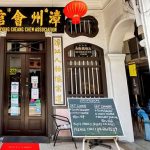
Step off the sun-bleached bustle of Armenian Street and into Jawi House, and the first thing that hits you isn’t the food—it’s the stillness. Not silence, mind you. There’s still the clink of enamel cups, the low murmur of tourists comparing notes, the occasional whirr of a ceiling fan battling Penang’s stubborn humidity. But it feels… contained. Intentional.
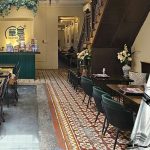
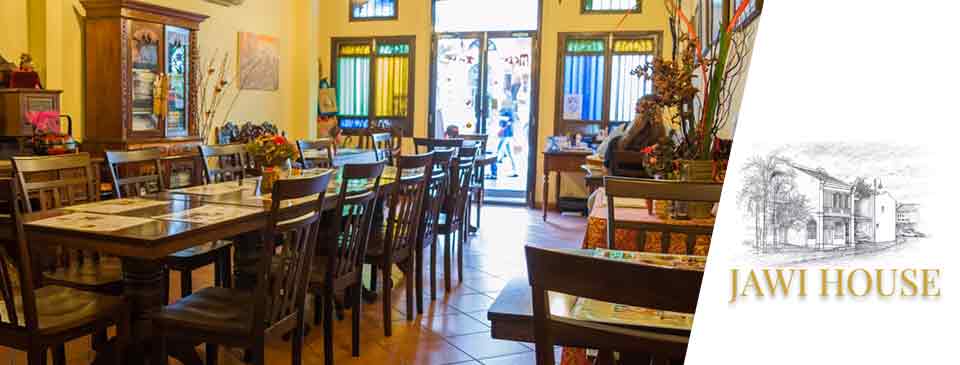
The space is a restored heritage shophouse, narrow and deep, with high ceilings that trap echoes of another era. Timber beams stretch overhead like ribs, and the walls double as a gallery—photographs, textiles, and snippets of history that tell the story of the Jawi Peranakan community: a cultural blend of Malay and Indian Muslim heritage that doesn’t get nearly enough spotlight in Penang’s food narrative.
You’re not sitting in a restaurant so much as you’re borrowing someone’s ancestral home for an afternoon meal.
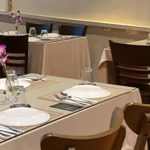
Tables are simple—wooden, slightly uneven, paired with chairs that creak just enough to remind you they’ve seen decades of use. There’s no aggressive air-conditioning blast here. Just fans, open doors, and the occasional waft of turmeric, tamarind, and toasted spices drifting in from the kitchen.
It’s not “Instagrammable” in the curated, neon-sign sense. It’s better. It’s honest.
What Are The Must-Orders?
If you walk in without a game plan, you’ll likely end up staring at the menu longer than you should. Jawi Peranakan cuisine isn’t as widely known as Nyonya or Malay food, but it deserves the same reverence—and appetite.
Here’s where to start:
1. Nasi Lemuni
This is the dish people whisper about before they even sit down.
The rice itself is tinted a deep, moody green from lemuni leaves—earthy, slightly herbal, and unlike anything you’ll get from your usual nasi lemak stall. It arrives with a full entourage: ayam masak merah (chicken in a rich, slightly sweet tomato-based gravy), salted egg, sambal, acar, and crispy fried anchovies.
It’s a plate that feels ceremonial. Heavy, layered, unapologetically traditional.
2. Mee Jawa
Don’t confuse this with the watered-down versions you might find elsewhere. Here, the gravy is thick—almost stew-like—made from sweet potatoes, peanuts, and spices that build quietly before hitting you with a gentle warmth.
Yellow noodles swim in that gravy, topped with tofu, boiled egg, and a squeeze of lime that cuts through the richness just enough to keep you going for another bite… and another.
3. Roti Jala with Chicken Curry
Ah, the comfort play.
The net-like crepes (roti jala) are soft and slightly chewy, perfect for soaking up the chicken curry—a dish that leans more aromatic than fiery. You’ll catch notes of lemongrass and cardamom before the spice even registers.
It’s the kind of dish you don’t rush. You tear, dip, pause, repeat.
4. Jawi Laksa
This one sits somewhere between Penang’s asam laksa and a curry laksa, but doesn’t quite belong to either camp.
The broth is lighter than curry laksa, but richer than asam—layered with spices, herbs, and a subtle tang. It’s complex without trying too hard to impress you.
The Standouts (Good & Bad)
Let’s not romanticize everything—Jawi House isn’t flawless, and that’s part of its charm.
The Good:
- Depth of flavor: Nothing here tastes rushed. You can tell the spices are toasted, ground, and coaxed into life slowly.
- Cultural authenticity: This isn’t a “tourist-friendly” reinterpretation. It’s a preservation effort on a plate.
- Portion generosity: You won’t leave hungry unless you seriously miscalculate your order.
The Not-So-Good:
- Service pace: If you’re in a hurry, you’re in the wrong place. Orders take time, especially during peak hours. The kitchen moves at its own rhythm.
- Heat management: On a particularly humid Penang afternoon, the lack of strong air-conditioning can feel… character-building.
- Inconsistency: Some days, the sambal hits like a revelation. Other days, it plays it a bit too safe.
The Taste Test: Breaking It Down Bite by Bite
Let’s zoom in on the Nasi Lemuni—because it deserves obsession.
The rice is the first surprise. It doesn’t shout. Instead, it hums—subtle herbal notes that creep in after a few bites. The texture is fluffy but slightly sticky, clinging just enough to carry the sambal.
Then comes the ayam masak merah.
The sauce is thick, almost jammy, with a sweetness that doesn’t overpower but rounds out the spices. There’s a slow heat that builds—not the kind that makes you reach for water, but the kind that keeps your palate alert.
The salted egg? Creamy, slightly crumbly, cutting through the sweetness like a well-timed punchline.
And the sambal—when it’s on point—is the glue that ties everything together. Smoky, spicy, with just enough oil to coat the rice without drowning it.
Every bite is slightly different depending on what you mix in. It’s controlled chaos, and it works.
Who’s It Good For?
- Curious food explorers: If you’ve already eaten your way through char kway teow and want something deeper, this is your next stop.
- Slow diners: People who enjoy lingering over a meal, not rushing through it.
- Cultural enthusiasts: Those who appreciate food as storytelling.
Maybe not ideal for:
- Large, impatient groups
- Anyone expecting quick hawker-style turnover
- Hardcore spice addicts looking for extreme heat
Pro Tips (From Someone Who’s Waited Too Long Once)
- Go early (before 12 PM) to beat the lunch crowd.
- Order everything at once—adding dishes later means restarting the waiting game.
- Ask about daily specials—some of the best dishes aren’t always on the main menu.
- Bring cash, just in case—heritage spots can be unpredictable with payments.
- Sit closer to the front if you need airflow.
Overview Cheat Sheet
Cuisine: Jawi Peranakan
Must-Order: Nasi Lemuni, Mee Jawa, Roti Jala
Price Range: RM15–RM30+ per dish
Vibe: Heritage, slow-paced, culturally rich
Best Time to Visit: Late morning, early lunch
Air-Conditioning: Minimal
Service Speed: Leisurely
How To Get There? (A Penang Reality Check)
Located along Armenian Street in George Town, getting here is both easy and mildly frustrating—classic Penang.
- By Grab: The simplest option. Just be prepared to walk the last few meters if traffic is tight.
- By Car: Parking is… optimistic. You might circle the block a few times before surrendering to a paid lot nearby.
- On Foot: Honestly, the best way. Pair it with a heritage walk and pretend you planned it all along.
The Verdict: Worth the Wait, If You Let It Be
Jawi House Cafe Gallery isn’t trying to compete with Penang’s loudest, busiest food icons. It doesn’t have the wok hei theatrics of a roadside stall or the instant gratification of a hawker centre.
What it offers instead is something slower, quieter, and arguably more meaningful.
It’s a place where recipes feel inherited rather than invented. Where the food doesn’t just fill you—it teaches you something about a community that exists in the margins of mainstream Penang cuisine.
Is it perfect? No.
Will you wait longer than you’d like? Probably.
But if you walk in with patience and a bit of curiosity, you’ll leave with a deeper appreciation for a side of Penang that doesn’t shout for attention—but absolutely deserves it.
This isn’t a one-and-done.
It’s the kind of place you come back to when you want to remember that food, at its best, is history you can taste.
Address: 85, Lbh Armenian, George Town, 10200 George Town, Pulau Pinang
Tel: 042613680
#PenangFood
#JawiPeranakan
#GeorgeTownEats
#HiddenGemsPenang
#HeritageDining
#NasiLemuni
#PenangCafe
#MalaysianCuisine
#FoodCulture
#EatPenang